Royal United Hospitals Bath

Gastroenterology

We are located in Department B57 (map)

Gastroenterology is the medical speciality managing symptoms and conditions of the digestive system, including the upper and lower bowel, liver and pancreas.

Common reasons for referral include a change in bowel habit, iron deficiency anaemia, abnormal liver function tests and indigestion.

The gastroenterology department specialise in all aspects of gastroenterology and the investigation of gastrointestinal cancer.


Services

Endoscopy

The Endoscopy department offers colonoscopy, gastroscopy, ERCP (endoscopic retrograde cholangiopancreatogram) and bronchoscopy.

Inflammatory Bowel Disease (IBD)

IBD is a term used to describe two diseases, Ulcerative Colitis and Crohn's disease.

In both UC and Crohn's parts of the digestive system (the gut), which includes the intestines or 'bowels', become sore and inflamed. Crohn's can affect any part of the digestive system from the mouth to the anus. UC affects the colon (large intestine) and rectum.

  • Our Services:
  • Preconception and Antenatal clinic
  • Adolescent Transition clinic
  • Biologic Service
  • Diagnosis and Management of IBD
  • Patient Education

Hepatology

Hepatology is the investigation and treatment of liver disease.

All our gastroenterology consultants manage hepatology, but viral and autoimmune liver diseases are looked after by our sub-specialised hepatology consultants Dr Julia Maltby and Dr Terry Farrant.

Nutrition

Hospital nutrition is involved in the management of people requiring nutritional support, often with complex gastrointestinal disease. We work closely with our dietetic colleagues and the nutrition specialist nurse.

We are involved in the management of patients with short bowel syndrome, tube feeding and intravenous feeding.

Outpatients

The gastroenterology clinic staff provide care and advice, particularly to people who have problems associated with the gastrointestinal tract, liver and pancreas.

Investigations such as rigid sigmoidoscopy, proctoscopy and redressing of wounds are performed in the department.

The team consists of:

  • Consultants,
  • Registrars,
  • Clinical Specialists,
  • Unit Manager/Sister,
  • Clinic Nurses,
  • Upper and Lower GI Cancer Specialist Nurses,
  • Stoma Care Nurses,
  • Nutrition Nurses and
  • Dietitians.

Contact us

Opening times:
8am to 5pm, Monday to Friday

Consultants

Email: ruh-tr.gastrosecs@nhs.net

  • Dr Ben Colleypriest - 01225 826675
  • Dr Terry Farrant - 01225 826675
  • Dr Adrian Griffiths - 01225 824849
  • Dr Julia Maltby - 01225 821569
  • Dr Pete Marden - 01225 824849
  • Dr Tina Mehta - 01225 821856
  • Dr Jonathan Quinlan - 01225 826403
  • Dr Matthew Farrant - 01225 824508
  • Dr Sakitha Paranahewa - 01225 821569
  • Dr John Saunders - 01225 824508
  • Dr David Walker - 01225 826403
  • Dr Ben Arnold - 01225 821856
  • Dr Ovi Roy - 01225 821569

Endoscopy

  • Endoscopy Manager: 01225 824075
  • Nursing Staff: 01225 821425 / 01225 821788
  • Endoscopy Bookings: 01225 821412 / 01225 824069
  • Outpatients Follow Up Team: 01225 824601

Inflammatory Bowel Disease

  • IBD Nurse Specialist: 01225 825598

Hepatology

  • Email: ruh-tr.hepatology@nhs.net
  • Hepatology Nurse Specialist: 01225 826471
  • Alcohol Liaison / Hepatology Nurse Specialist: 01225 826471

Nutrition

  • Nutrition Nurse Specialist: 01225 821954

Cancer

  • Upper GI Cancer Specialist Nurse: 01225 824153
  • Pancreatic, Biliary, Hepatic Cancers & Cancer of Unknown Primary Specialist Nurse: 01225 821403
  • Colorectal Cancer Specialist Nurses: 01225 825836

Gastroenterology Dietitian

  • Phone: 01225 824398

Surgical secretaries

Outpatients:

Opening times: 8am to 5pm, Monday to Friday.

Follow-up appointment enquiries: 01225 824601
New appointment enquiries : 01225 821021


Preparing for your appointment

You may be required to prepare for your appointment

  • While in the department you will have your weight and height recorded.
  • Please bring with you a record of any medication you are taking or using.
Frequently Asked Questions

  1. I am struggling to obtain my pancreatic enzyme supplements e.g. Creon, what should I do?

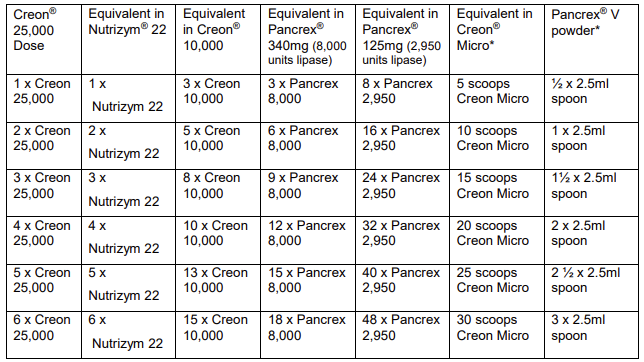
    There is an international supply issue surrounding pancreatic enzyme replacement therapy (PERT – under the product brands: Creon®, Nutrizym® and Pancrex®). These intermittent supply issues mean some people are running out of PERT, or experiencing difficulties or delays in accessing PERT.

    You can read the international advice for patients.

    Below is the conversion of your dose to another brand should you need it. 

    table of conversions for Creon

  2. I am concerned about bowel cancer, where can I learn more about the available screening? Please take a look at the information on Bowel cancer screening provided by 'Patient UK', the national NHS information site

  3. I am concerned I may have an increased risk of bowel cancer due to my family history.

    Some people have an increased risk of colorectal cancer if they have close relatives who have developed colorectal cancer. This risk is given as detailed below as it varies between families. The recommendations for further investigations in the different groups may vary throughout the country. You should talk with your doctor if you have members of your family who have had colorectal cancer; sometimes they may refer you to the local genetics service that will send you a family history questionnaire and if necessary discuss your family history with you.

    High risk
    High risk people are those with certain inherited conditions, which include familial adenomatous polyposis (FAP), hereditary non-polyposis colorectal cancer (HNPCC), and some other syndromes including Peutz-Jegher's syndrome and juvenile polyposis syndrome. These conditions are very rare; three or more affected relatives in a first-degree kinship with each other less than fifty years old would be a risk factor these conditions. Relatives of patients with FAP are offered investigations every year from age 13-15 years until age 30, and 3-5 yearly thereafter until age 60. Relatives of patients with HNPCC are usually advised to have regular bowel screening from the age of 25, or five years earlier than the age their youngest affected relative developed colorectal cancer.

    High-moderate risk
    People who have a three or more first-degree relatives over 50 years old (mother, father, brother, sister, child) who have had colorectal cancer, or two affected relatives less than 60 years old in a first-degree kinship with each other, or two affected relatives with a mean age less than 60 years old in a first-degree kinship will be offered five yearly colonoscopy from age 50 until 75 years.

    Moderate risk
    People with only one first-degree relative affected by colorectal cancer aged under 50 years or with only two first degree relatives who have had colorectal cancer over 60 have a moderate risk of developing colorectal cancer. These people should be offered a single colonoscopy at age 55 years. If the investigation is normal, then no further investigations (other than the normal bowel cancer screening programme) are recommended.

    Low risk
    People with family histories that are different to those listed above are classified as low risk, as their risk is similar to the population in general. These people do not need any further investigations (other than the normal bowel cancer screening programme).

▲ Back to Top